Skip to content
Johan Peña

Work

Products and research I designed, built and deployed. Filter by the kind of problem.

Projects shown: 7

AI system · Multi-tenant platformDeployed

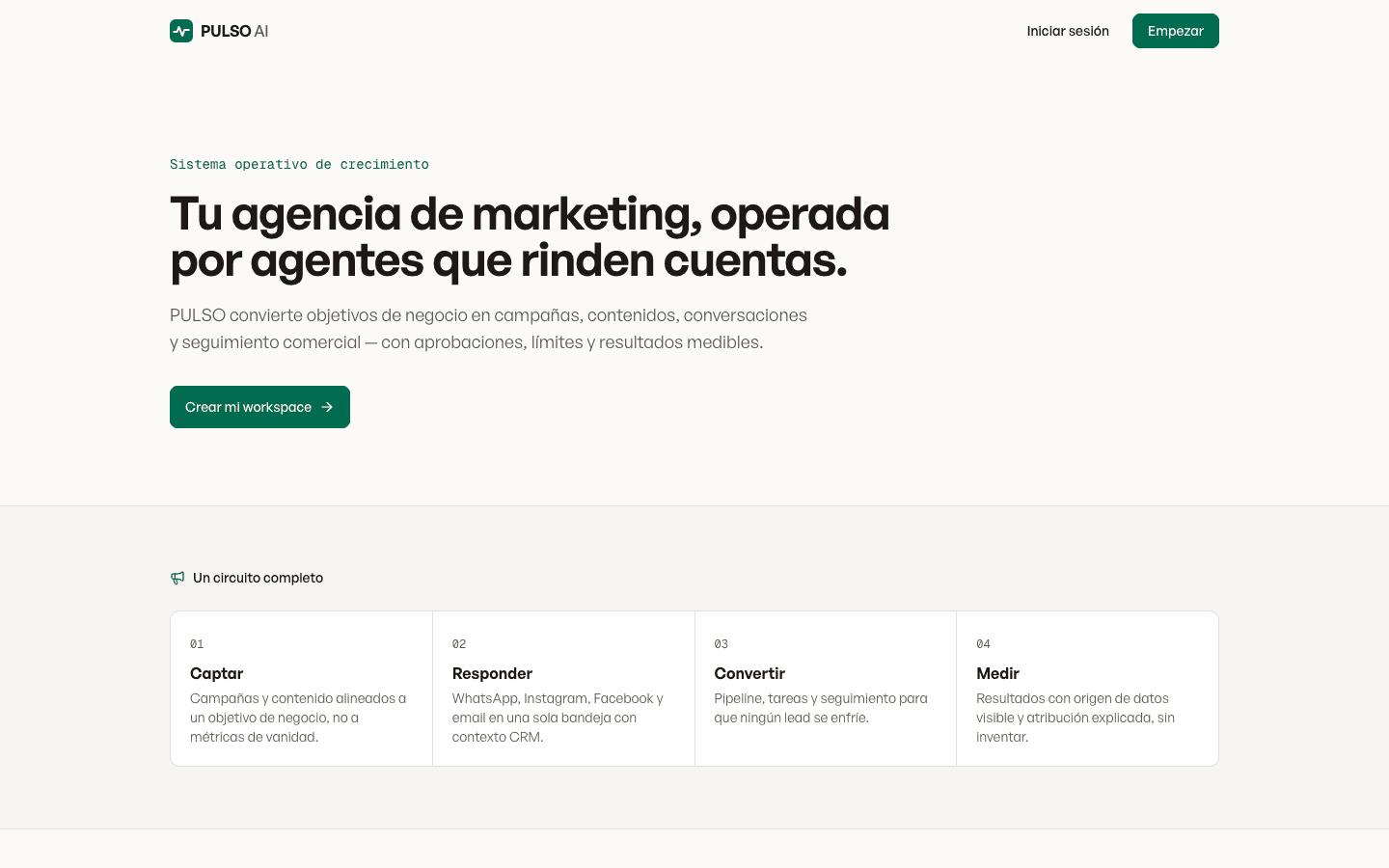
Pulse AI

A growth operating system where AI agents propose and deterministic rules decide what runs.

Small teams run marketing across disconnected tools, and a generative model on its own cannot be trusted to spend money, message customers or touch shared records.

  • Approvals are durable records bound to a hash of the arguments and the policy version — never a “yes” in a chat.
  • The tenant always comes from the server session; no tool accepts a workspace or organization id from the model.
  • Personal data is redacted before text reaches any model without zero-retention guarantees.
  • Next.js 16
  • React 19
  • TypeScript
  • Supabase Postgres + RLS
  • Vercel AI SDK
  • AI Gateway

Data analytics · Academic researchAcademic research

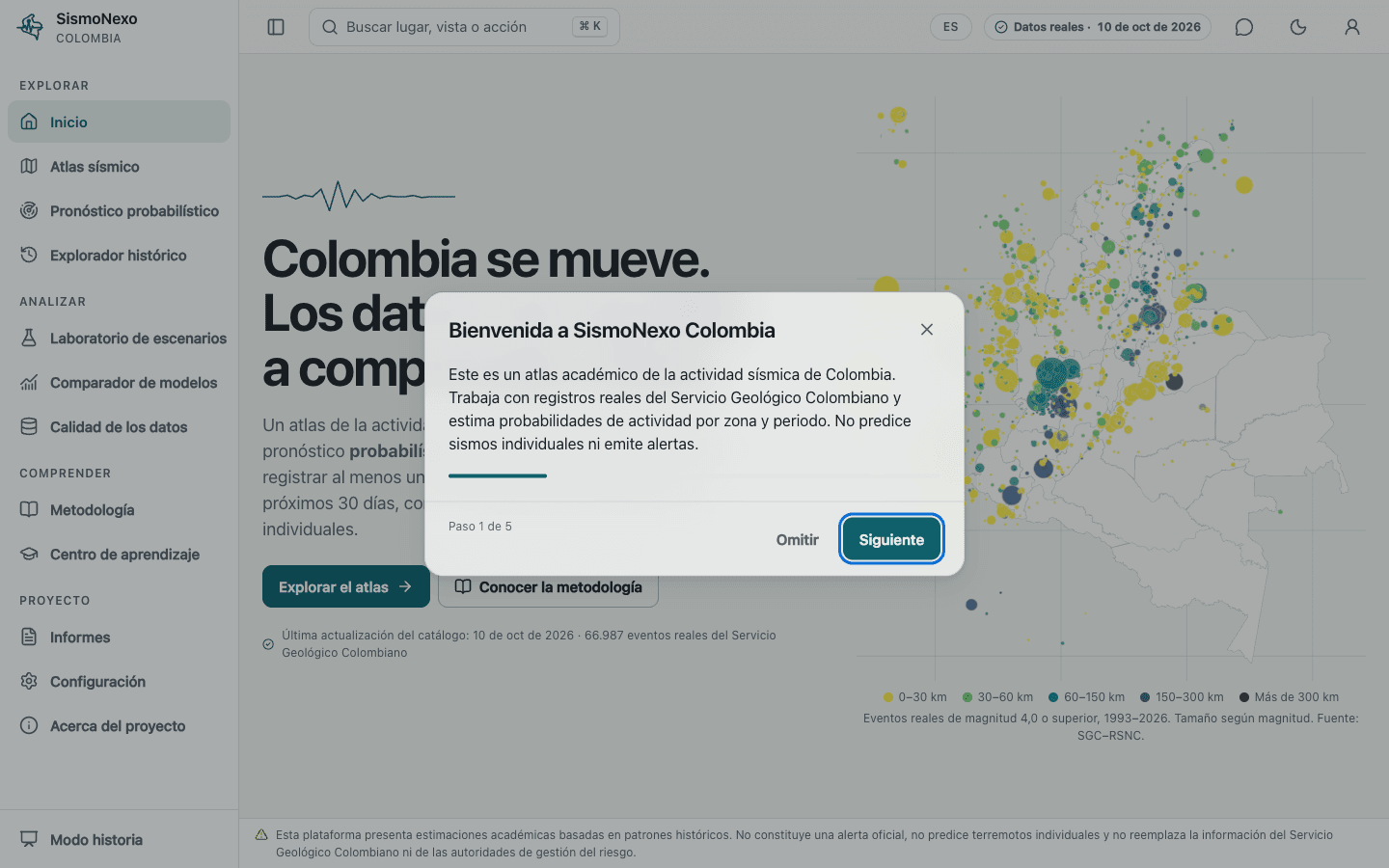
SismoNexo Colombia

A seismic atlas of Colombia with probabilistic forecasts that say how uncertain they are.

Seismic data in Colombia is public but hard to explore, and “prediction” claims are easy to make and impossible to back; the honest question is how much recent activity improves on historical frequency.

  • Chronological walk-forward validation in eight blocks, with a temporal gap between training and test.
  • An automatic leakage detector runs six checks on each of the 45 configurations.
  • Where no model beats the historical baseline, the baseline is what ships.
  • Python
  • pandas
  • scikit-learn
  • SHAP

AI tool · Private content workflowDeployed

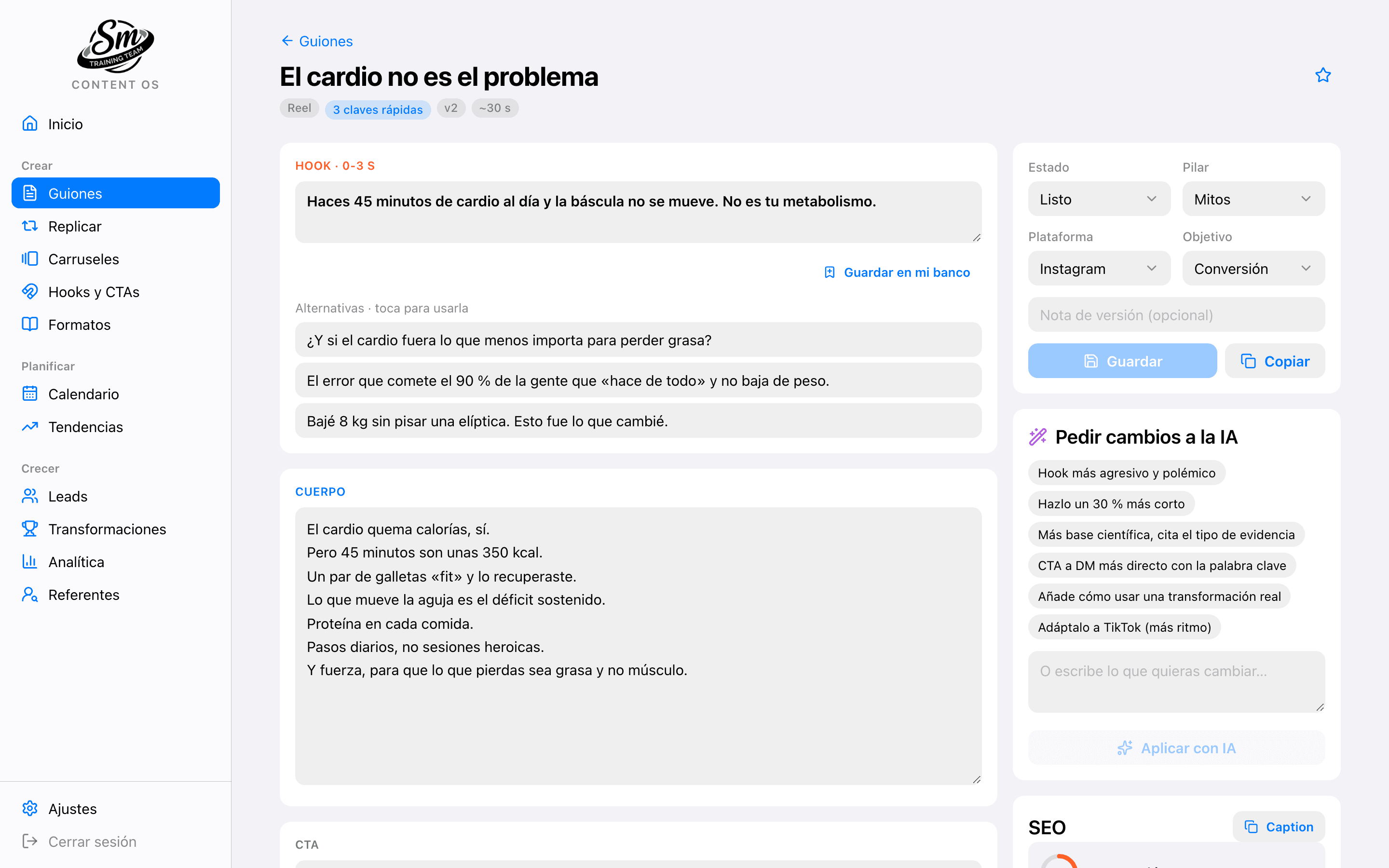
Content OS

A private tool that turns a topic into a ready-to-record script, a carousel and a publishing slot — and then follows each post to the DMs and clients it brought in.

Producing short-form video every day meant writing scripts from scratch, losing good hooks in notes apps, forgetting to post, and never knowing which videos brought clients. Free AI tiers make generation cheap, but they rate-limit, time out and sometimes return malformed output — a tool used every morning cannot stop when one provider does.

  • Every AI feature goes through one function: Gemini first, Groq when it fails, and the same Zod schema validates the answer from either.
  • Each generation is logged per user; that log is also the rate limit, with no extra service.
  • A real client result can only reach a prompt if its consent is recorded; the server checks before building the prompt.
  • Next.js 16
  • React 19
  • TypeScript
  • AI SDK
  • Gemini
  • Groq
Read case study: Content OSPrivate tool · screenshots onlyPrivate repository

Client work · Landing page with online paymentsDeployed

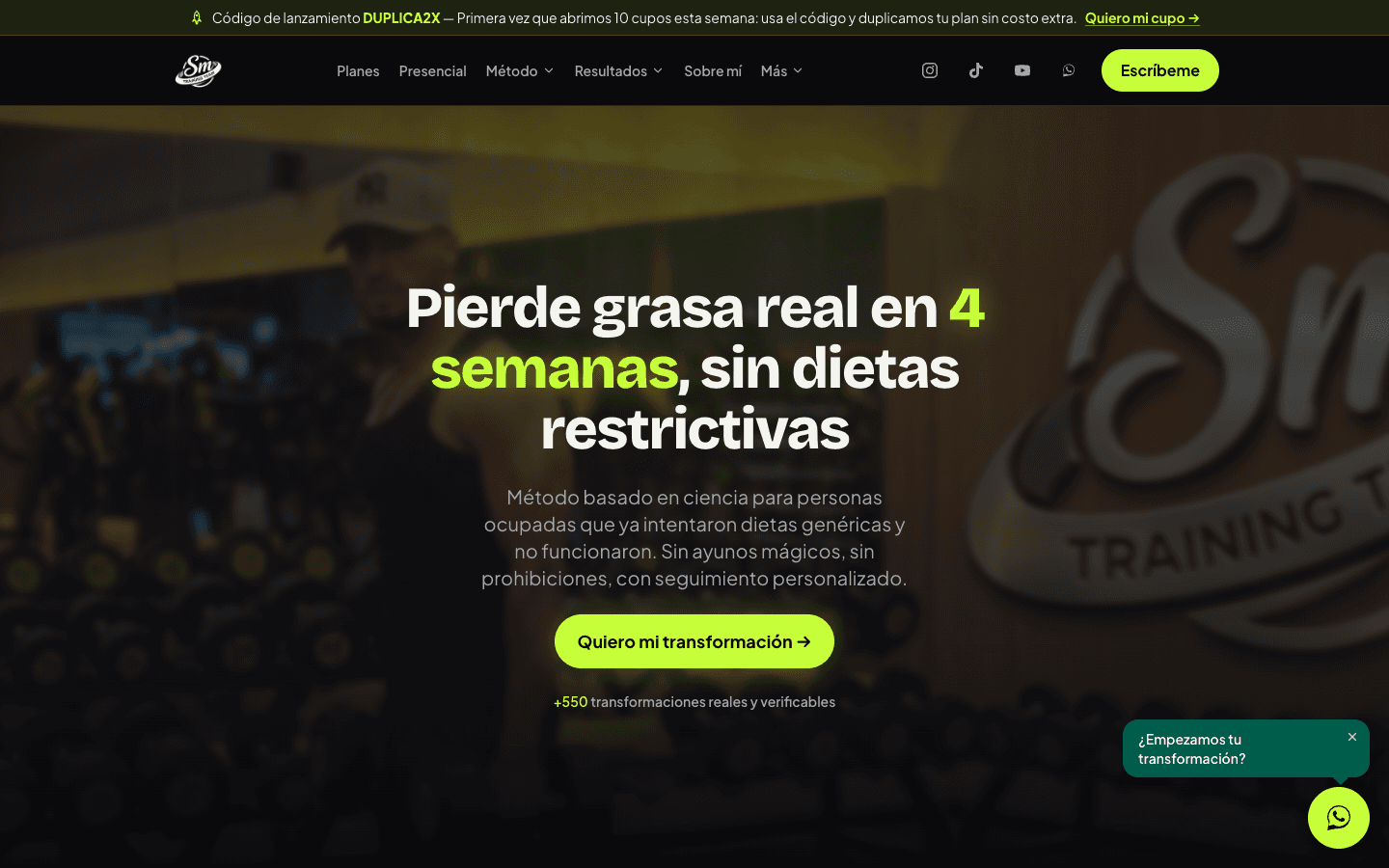
Santiago Entrenador

A coach's landing page that turns social-video traffic into WhatsApp conversations and takes payment for reservations, signed and verified on the server.

Short-video traffic arrives on a phone with little patience. The page has to earn trust quickly and make the next step a single tap, without a backend for the client to maintain.

  • The price never comes from the browser: the server sets the amount and signs the transaction.
  • A payment shows as approved only after the payment provider confirms it.
  • Without payment keys or analytics ids the page still works; buttons fall back to WhatsApp.
  • React 19
  • Vite
  • TypeScript
  • Tailwind CSS 4

Client work · Catalog with an admin panelDeployed

TuPatriSeguro

An advisory firm's site with a multi-category catalog the owner edits from a private panel, and a consent record that can show who accepted what, and when.

The business needed to publish and edit listings without a developer, across categories that describe very different things — a house is not a car — and to collect personal data under Colombian data-protection rules with evidence it could produce later.

  • One table serves every category: what differs between a house and a car lives in a list of label–value attributes, not in a new table per category.
  • Every consent is a new row with the version of each document accepted; nothing is edited or deleted.
  • Each write in the admin checks the signed session again, behind the redirect that guards the pages.
  • Next.js 16
  • React 19
  • TypeScript
  • Tailwind CSS 4
  • Motion
  • Neon Postgres

Client work · Landing page ready for paid campaignsDeployed

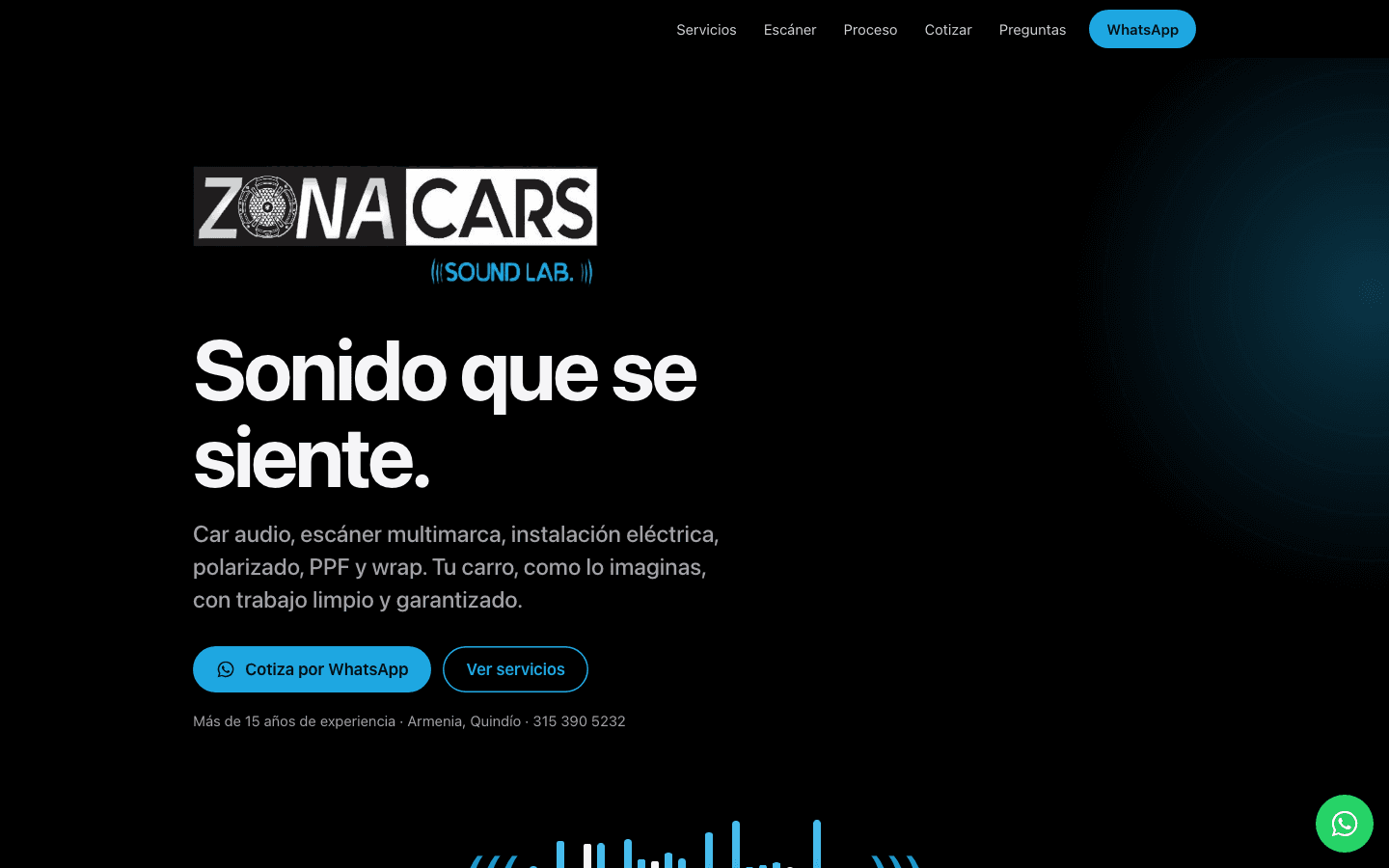
ZONACARS Sound Lab

A landing page for a car audio and detailing shop that turns visits into WhatsApp quotes and measures each one — but only loads ad trackers after the visitor says yes.

The shop gets its customers from Instagram and was about to pay for ads. It needed one page that answers the usual questions, gets people into a WhatsApp chat with the details already written, and tells each ad platform which campaign produced a contact — within Colombian data-protection rules, which require consent before tracking cookies.

  • Every WhatsApp button and the quote form fire one event that is translated for GA4, Meta and TikTok in a single function.
  • Google starts in Consent Mode with everything denied; Meta and TikTok are not even downloaded until the visitor accepts advertising cookies.
  • Campaign parameters are kept for the whole visit and attached to every conversion, so a lead on the third page still carries its utm_campaign.
  • HTML
  • CSS
  • JavaScript
  • Google Consent Mode v2

AI agents · WhatsApp automationPrototype

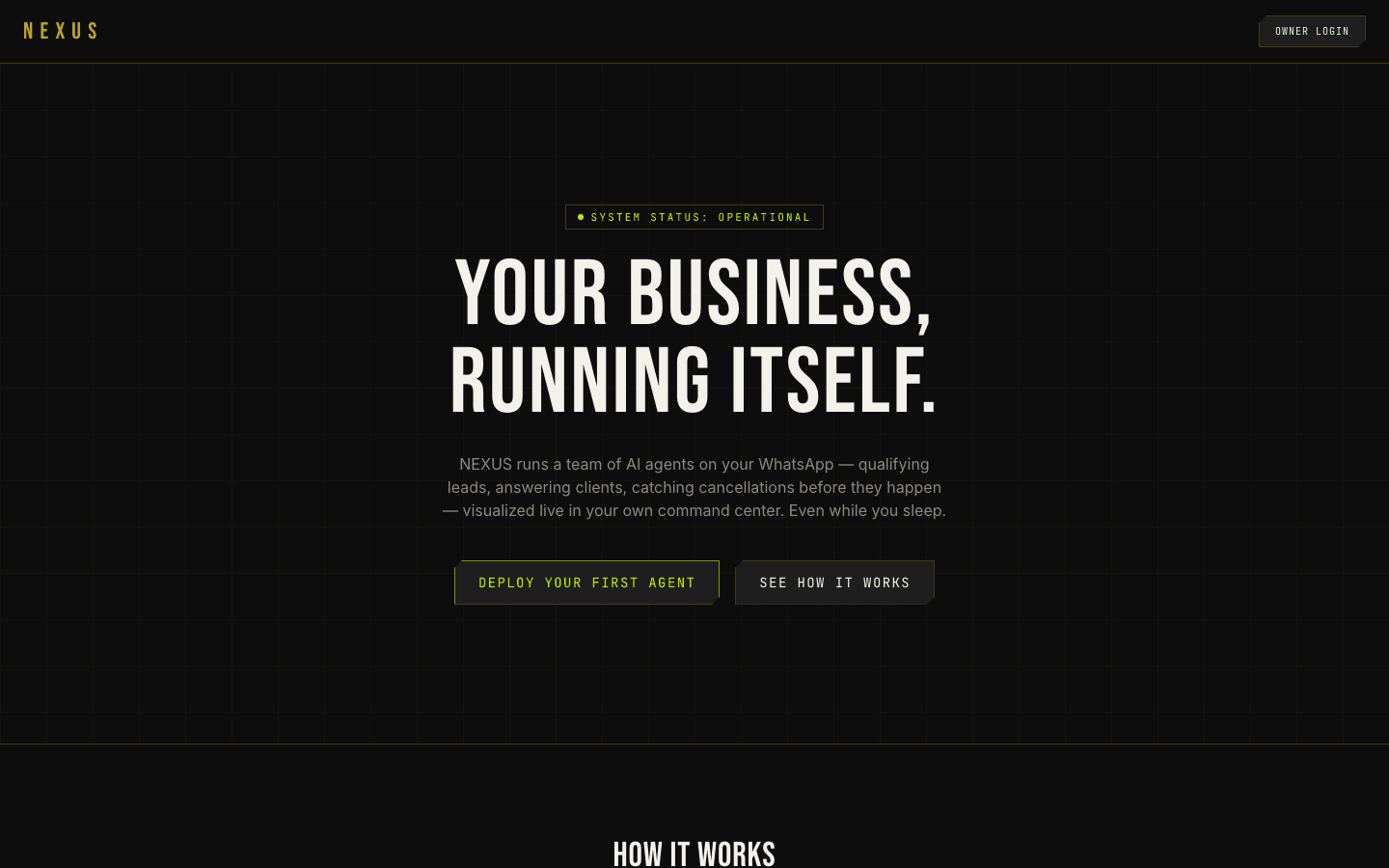
Nexus

WhatsApp answered for small businesses — by AI agents, or by a menu bot that never calls a model.

Gyms, coaches and service businesses lose clients when WhatsApp goes unanswered, and many of them need a reliable menu rather than a language model billed per message.

  • Two modules behind one webhook: LLM agents or a zero-LLM flow engine, switchable per channel.
  • Low-confidence intent classifications escalate to the owner instead of guessing.
  • The retention agent drafts; the owner approves before anything is sent.
  • Next.js 16
  • TypeScript
  • AI SDK
  • Google Gemini
  • Neon Postgres
  • pgvector